2026-05-29
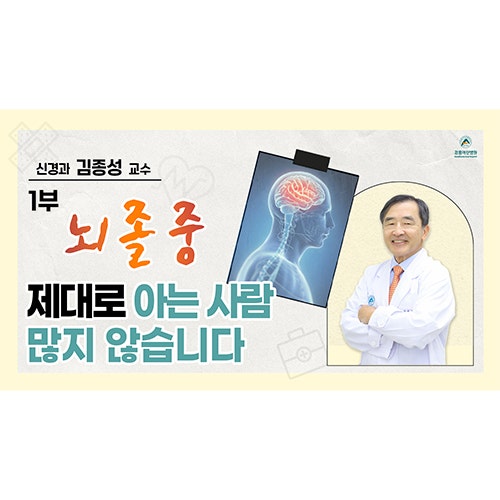
[Smart Doctor] Many people don't truly understand stroke! | Stroke Part 1
This article explains what stroke is, its major risk factors (age, high blood pressure, diabetes, smoking, alcohol), and clarifies misconceptions about genetic influence and 'precursor symptoms'. It emphasizes the importance of prompt medical attention for any stroke-like symptoms.
![[Smart Doctor] Many people don't truly understand stroke! | Stroke Part 1](/uploads/hi_gnah/224027041634/a76ab14b6143eca4.jpg)
Q. What is a stroke?
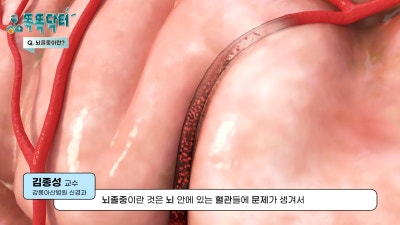
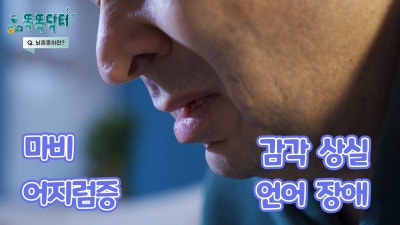
‘Stroke’ is one of the diseases that occur in the brain. Of course, the brain can develop cancer like other organs, or it can be injured, inflamed, and suffer from various other diseases. However, a stroke specifically refers to a problem with the blood vessels in the brain, where a blood vessel either gets blocked or ruptures. When this happens, the blood that normally flows through that vessel cannot reach that part of the brain, causing some brain tissue to be damaged and unable to perform its usual functions. In short, ‘stroke’ is a general term for a disease where a problem with the blood vessels supplying the brain leads to sudden neurological symptoms such as paralysis, loss of sensation, dizziness, or difficulty speaking.
Q. What are the main risk factors for stroke?
Since stroke is a disease where cerebral blood vessels become blocked or rupture, any factors that damage these blood vessels are risk factors. In fact, age is crucial. Ideally, blood vessels should remain flexible and young, but as we age, our backs may stoop, our walking may become stiff, and we lose strength. Similarly, age is a significant risk factor for stroke, but there's nothing we can do about getting older. So, it's important to control the risk factors that we *can* manage. Another risk factor is high blood pressure. A blood pressure of around 120/80 mmHg is typical, but if it's higher, blood vessels start to get damaged. Indeed, about 70% of stroke patients have high blood pressure; it's a direct cause. Next is diabetes. I've observed that about 30% of patients have diabetes. In these patients, diabetes continuously damages blood vessels, leading to a higher incidence of stroke compared to the general population. Then there's smoking. The substances in cigarettes constantly damage blood vessels, increasing the risk of stroke. Alcohol is another factor. The more of these factors present, the more they create a ‘synergistic’ effect for stroke. It's crucial to make an effort to avoid these factors that damage blood vessels to prevent stroke.

Q. Is stroke largely influenced by genetics?
Not really. There is a genetic predisposition, though. Children of parents with high blood pressure are more likely to develop high blood pressure themselves, and the same applies to diabetes. Strokes resulting from these conditions might then appear to be hereditary. However, it's not a genetic disease, so it's not always the case. It's rare, so general individuals don't really need to know about it. You can simply think that there's a slight general tendency for stroke, but it's not a major issue. Beyond that, typical strokes do not have a genetic predisposition, so I can say that it's important not to worry too much and to manage your health personally.
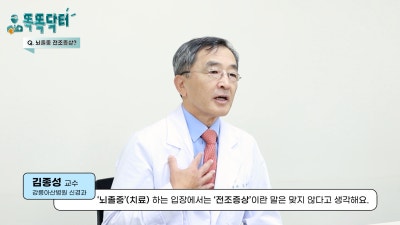
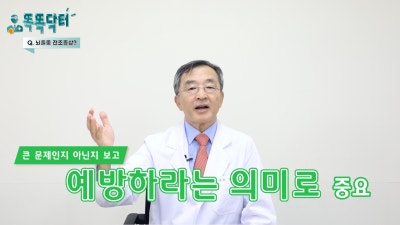
Q. Are there any warning signs of a stroke?
Actually, from my perspective as someone who deals with stroke, the term ‘warning signs’ isn't quite accurate. There are cases where stroke symptoms appear briefly and then improve. A sudden loss of strength due to brain damage is a typical symptom of stroke, and sometimes a minor stroke occurs and quickly gets better. If someone experiences this, they should come to the hospital just as quickly as if they had a major stroke. It's important not to dismiss it as just a temporary issue, but to determine if it's a significant problem and then take preventative measures. That's why it's important, not because we call them ‘warning signs’. In any case, it's true that even for a small stroke, you should come to the hospital quickly.
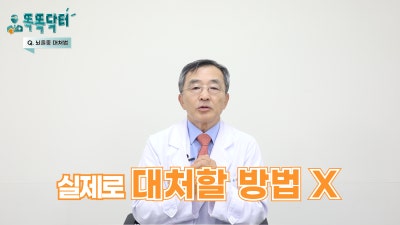
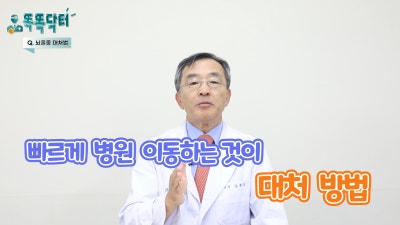
Q. What should I do if a stroke suddenly occurs?
There's actually nothing you can do to ‘deal with it’ yourself. If you experience major stroke symptoms such as sudden paralysis of limbs, difficulty speaking or slurred speech, or sudden blindness in one eye, the best course of action is to get to the hospital quickly. That is the only way to respond. The brain needs to be treated at the hospital as quickly as possible before further damage occurs, and that's something only medical professionals can do, not you. You should know where the nearest tertiary hospital is and go there immediately. I want to emphasize that for acute stroke, coming to a large hospital will lead to better treatment and overall better outcomes for you.
For acute stroke, visit a tertiary hospital!
In Part 2, I will tell you about stroke treatments🤗





Frequently Asked Questions
What are the main causes and risk factors for stroke?
The most important risk factors are age, high blood pressure, diabetes, smoking, and alcohol consumption. The impact of chronic diseases is significant, with approximately 70% of stroke patients suffering from high blood pressure and 30% from diabetes. While age cannot be controlled, it is crucial to prevent vascular damage through blood pressure and blood sugar management, and smoking cessation.
Is stroke a hereditary disease?
No, common stroke is not a hereditary disease. While constitutional tendencies like parents' high blood pressure or diabetes can be inherited, increasing the likelihood of stroke, the disease itself is rarely directly inherited. Therefore, thorough personal health management is far more important than excessive worry about family history.
What should I do if I experience stroke warning signs?
You should visit a large hospital immediately, even if the symptoms disappear quickly. The commonly mentioned warning signs indicate a temporary improvement after a minor stroke. Ignoring these can lead directly to a severe stroke, so if you experience even a brief period of paralysis or dizziness, you should seek examination and preventive measures at a hospital without delay.
What is the correct course of action if stroke symptoms suddenly appear?
Moving to a tertiary hospital emergency room without delay is the only and most certain course of action. If your limbs suddenly become paralyzed, your speech becomes slurred, or your vision darkens, there are no home remedies or coping methods you can use. You must arrive at a large hospital as quickly as possible to receive professional acute care before the brain is completely damaged.